Control Is Structural, Not Procedural
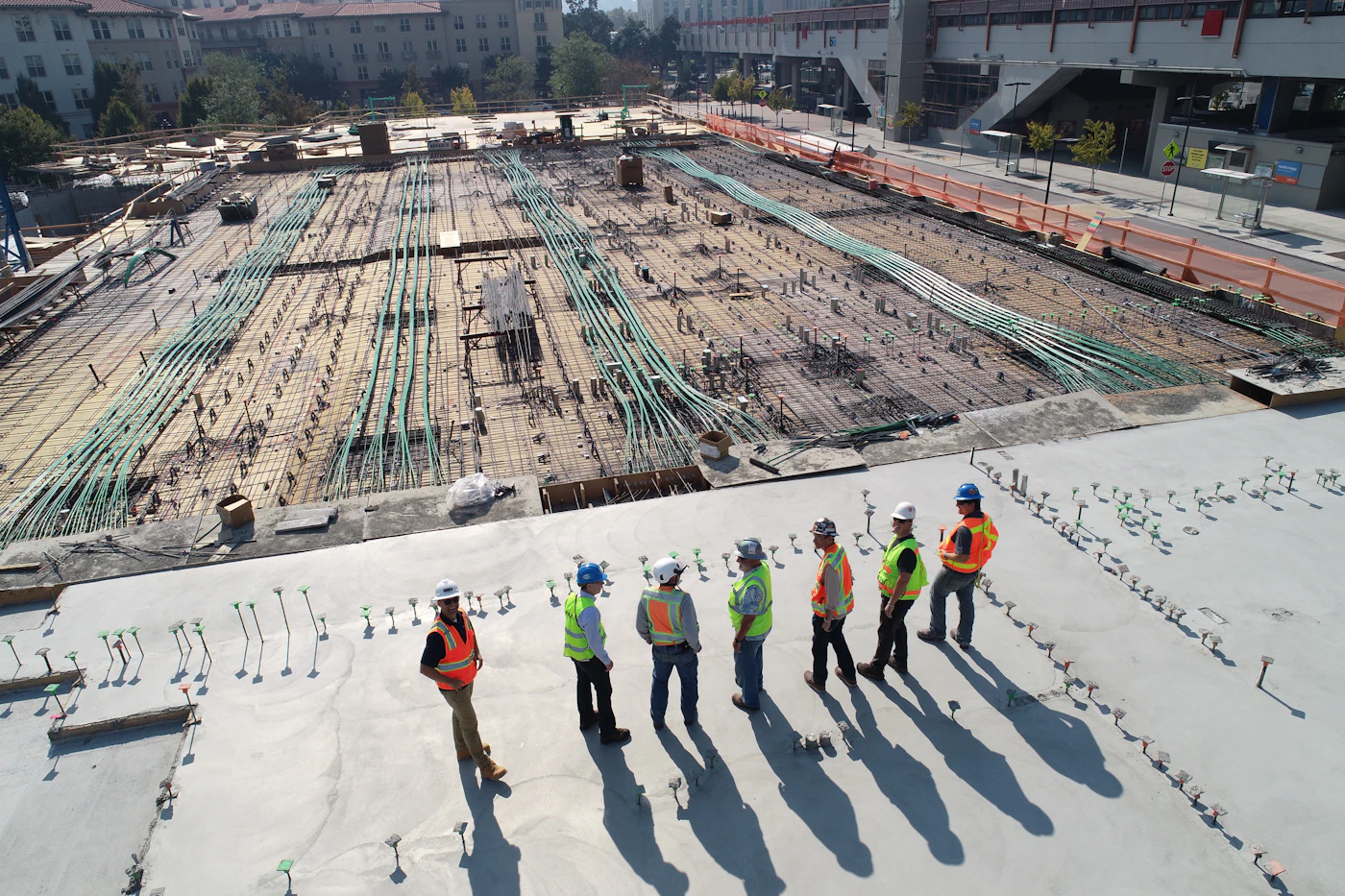
The illusion of control
Most organizations believe they have control. They have policies; written documents that define how things should be done. They have processes; defined sequences of steps that work should follow. They have oversight; people whose role is to check that policies and processes are being followed.
This is not control. This is the appearance of control. And there is a significant difference between the two.
Policies and processes suggest control. Structure creates it.
Without structural design: processes are bypassed. Policies are interpreted. Control becomes inconsistent.
Control must be embedded. Not enforced.
Why procedures do not produce control
A procedure is a description of how things should happen. It is static. It exists on paper, in a document, in someone's understanding of how their role should function. The gap between the procedure and actual behavior is bridged; if it is bridged at all; by human compliance. By people choosing to follow the procedure, every time, in every context, regardless of pressures, preferences, or interpretations.
This is an unreliable foundation for control. People make exceptions. People interpret ambiguities in ways that favor their preferences. People follow procedures when it is convenient and work around them when it is not. Under pressure; when deadlines are tight, when clients are demanding, when the procedurally correct path is also the slower one; procedures are the first thing to give way.
Oversight is meant to compensate for this. If procedures are followed, oversight confirms it. If they are not, oversight corrects it. But oversight is also a human system; subject to the same pressures, bandwidth constraints, and interpretive variability as the processes it is meant to check. It is reactive by design. It catches failures after they occur. And it scales poorly: the more people and work there are to oversee, the less effective oversight becomes without proportional expansion of the oversight function itself.
Embedded versus enforced control
Structural control is different in kind, not just in degree. When control is embedded in the system; when the way work flows, decisions are made, and information moves is designed rather than assumed; compliance is not required. The structure makes the correct behavior the natural behavior. It does not depend on individuals choosing to follow it.
A decision that must go through a defined approval process is structurally controlled; not because a policy says it should, but because the system through which decisions flow makes the approval step unavoidable. A piece of work that has clearly defined ownership is structurally accountable; not because a manager is watching, but because the system makes ownership explicit and visible. An information flow that does not require human curation is structurally transparent; not because people are diligent, but because the system is designed to surface information without requiring anyone to decide to share it.
This is the distinction between control that depends on behavior and control that is built into how the organization functions. The former requires constant reinforcement. The latter is self-sustaining.
The question for any organization concerned with control is not "how do we get people to follow our processes?" It is "how do we design systems that make the right behavior the inevitable behavior?" This shifts the work from management; which is continuous, costly, and inconsistent; to design; which is done once, and then operates without ongoing human intervention. Control that must be enforced is fragile. Control that is embedded is durable.


Request a Strategic Review
We assess where your organization currently relies on enforced control; and outline how to embed it by design.